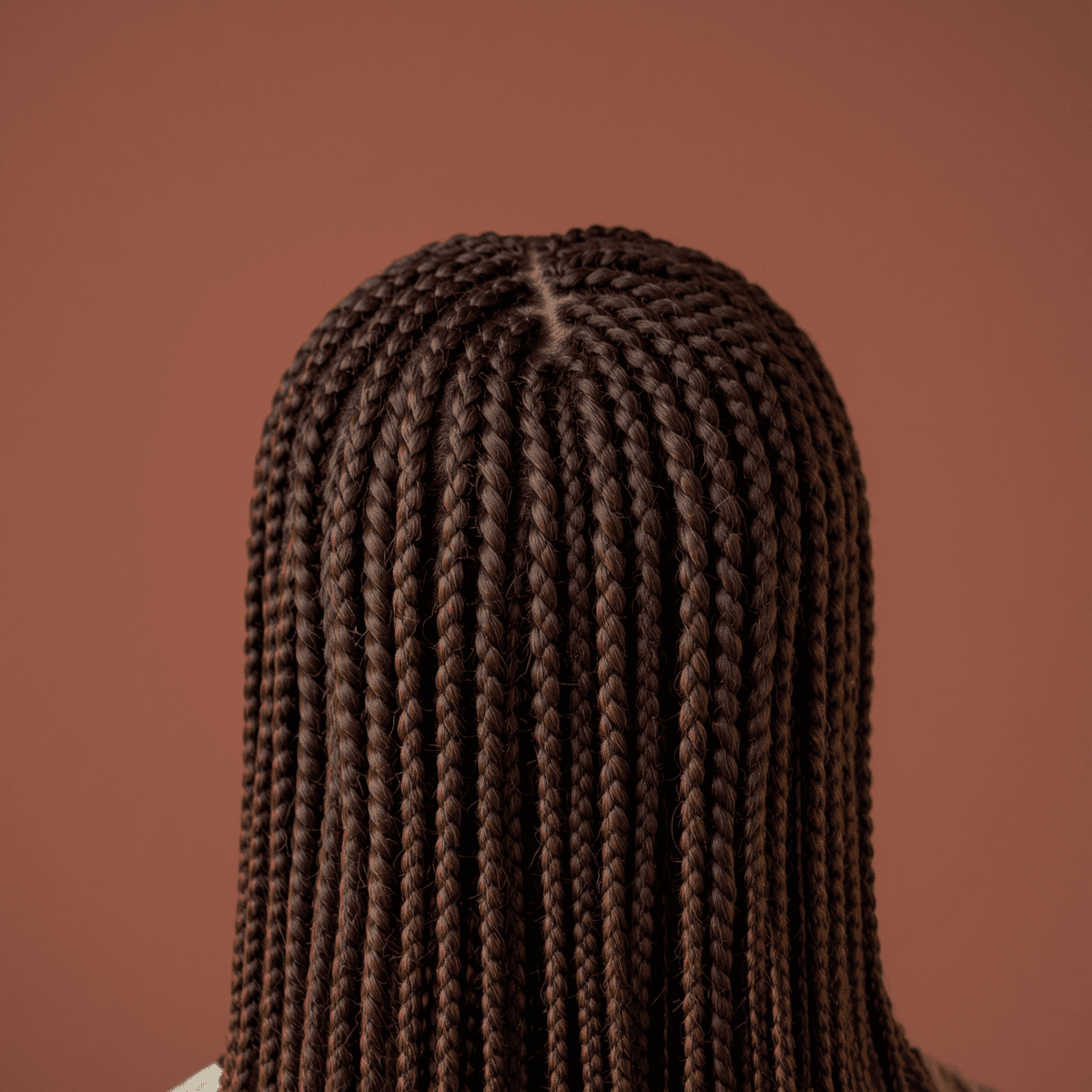
Braids are one of the most versatile and protective styles for textured hair — but only when maintained properly. Here's what you need to know to protect your edges, keep your scalp healthy, and get the most life out of your install.
Protect your edges
Your hairline is the most vulnerable part of your style. Avoid braiding your edges too tightly, and resist the urge to constantly pull them back after installation. Apply a lightweight edge control sparingly — overuse leads to buildup and can weaken hair follicles over time.
If your braids feel tight or painful in the first 24–48 hours, don't ignore it. Persistent tension at the root is a warning sign of traction, which can cause permanent damage if it's repeated over time.
Wear a bonnet every night
No exceptions. A satin or silk bonnet reduces friction between your braids and your pillowcase, prevents frizz, and keeps your style looking fresh significantly longer. If you prefer not to wear a bonnet, a satin pillowcase is a reasonable substitute — but a full bonnet gives better coverage.
Keep your scalp oiled
Braids don't mean your scalp maintenance stops. Apply a carrier oil (for example castor oil, etc.) directly to your scalp every 3–5 days. This prevents dryness, itchiness, and the flaking that tends to appear after the first week or two.
The 6–8 week rule
Braids are a protective style, but only for the right amount of time. After 6–8 weeks, new growth at your roots begins to tangle and loc with the braid itself, creating tension that can cause breakage during removal. Don't push past 8 weeks regardless of how good the style still looks.
Rest between installs
When you take your braids down, your hair needs time to recover before going back in. Give your scalp at least 2–4 weeks between protective styles. Use this window to deep condition, trim any split ends, and let your edges fully recover.
Jumping straight from one install to the next is one of the most common causes of long-term thinning, especially around the hairline. The style grows back slowly — the edges are the last thing to recover.